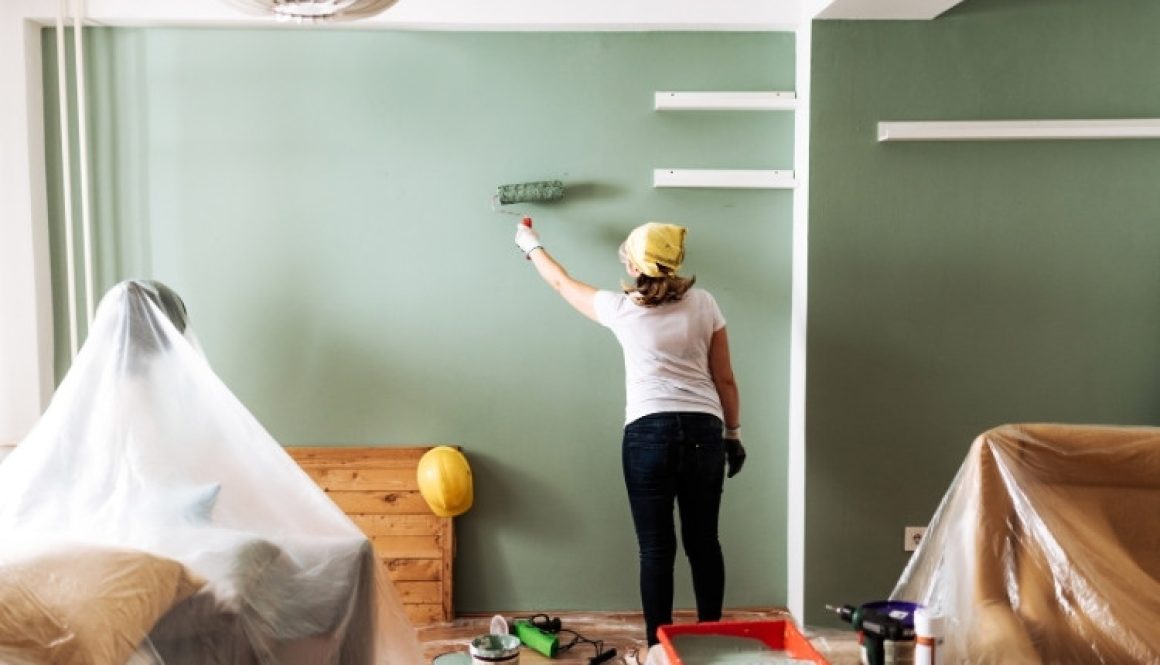
How to Paint Home Interior Walls in Singapore
Paint Home Interior Walls in Singapore, and you’ll do more than just change the color of a room. You’ll shift the entire mood of your home. One morning, your bedroom walls are dull and stained. By evening, they’re fresh, bright, and full of life. Painting your walls isn’t just a task; it’s a makeover with a roller in hand.
In Singapore, though, it’s not as simple as grabbing a brush and painting. The humidity, wall materials, and layout of local homes make the job unique. I’ve worked on HDB flats where paint started peeling within weeks simply because the wrong kind of paint was used. I’ve also seen beautifully painted condos stay flawless for years with just the right prep.
This guide will walk you through everything you need to know about how to paint home interior walls, from preparation to clean-up, so you can achieve a flawless, professional finish that lasts. Also, LS Painter Singapore offers the best residential painting, house painting, and commercial painting services in Singapore.
Why Painting Your Walls Makes a Big Difference
Walls collect dirt, moisture, and even fungus over time. A new layer of paint doesn’t just hide these problems, but it helps protect your walls from them. This is important in places like bathrooms, kitchens, and corners near windows, where mold and water stains are common in Singapore homes.
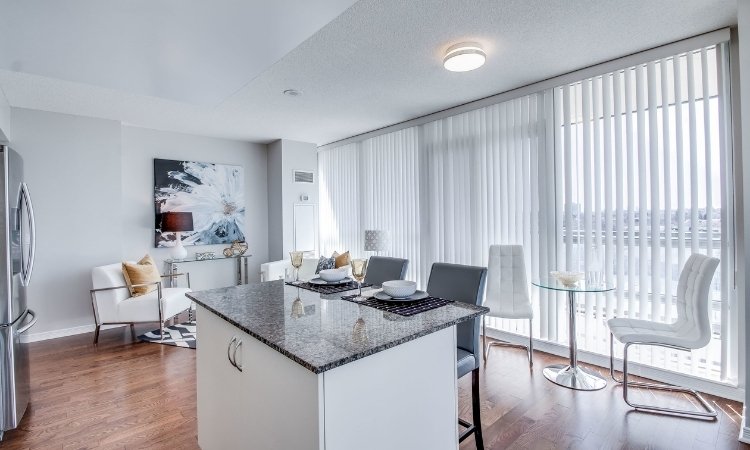
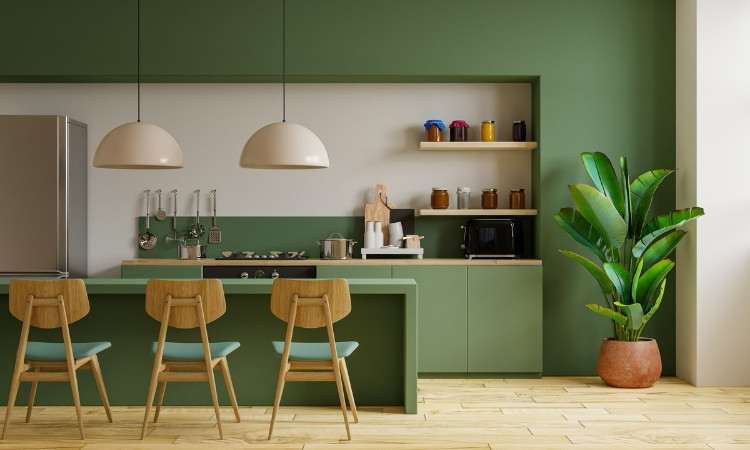
Home Interior Walls Painting can also make small rooms feel bigger or dark spaces feel brighter. For example, using soft white paint in a small HDB bedroom in Clementi can make the space look more open. You can create your own contrast and character in your living room by painting one accent wall navy blue.
What You Need Before You Start
Before you begin to paint interior walls, you’ll need the right tools and materials. These are:
- Wall paint (anti-mould, low-odour is best)
- Paint primer
- Rollers and roller tray
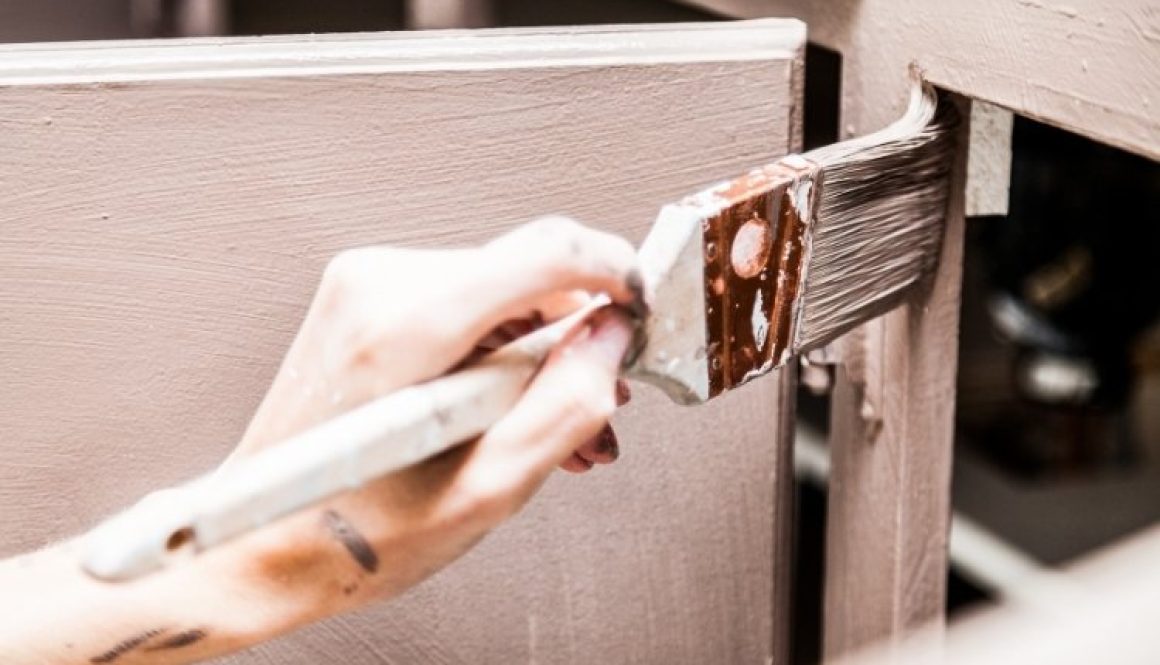
- Paint brushes (for edges)
- Painter’s tape
- Sandpaper
- Putty knife and filler
- Drop cloths or old newspapers
- Ladder or step stool
- Gloves and mask
Choose paint that’s made for Singapore’s weather. Nippon Paint Odour-less EasyWash or Dulux EasyClean is good for homes with kids or pets because you can wipe off stains easily.
How to Paint Home Interior Walls in Singapore: Step-by-Step
Step 1: Clean and Check the Walls
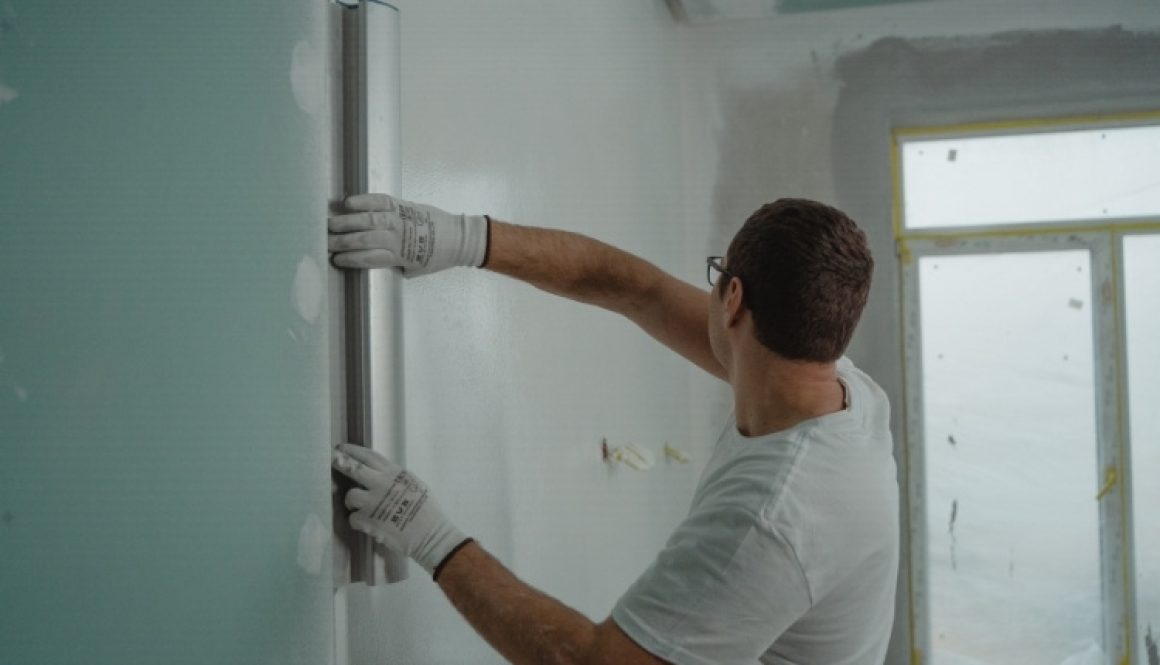
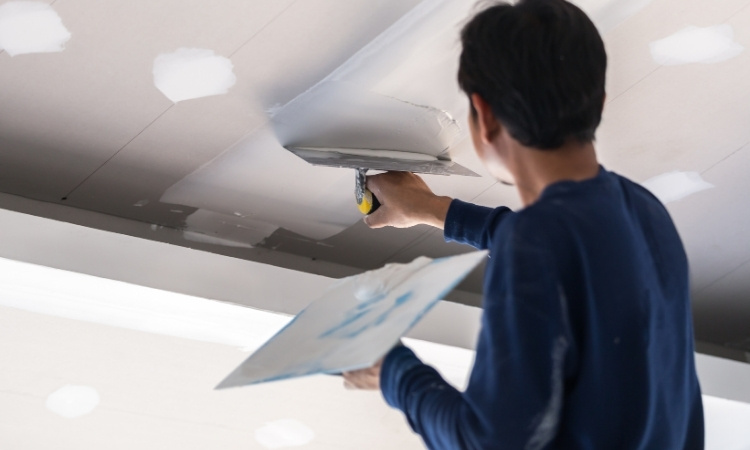
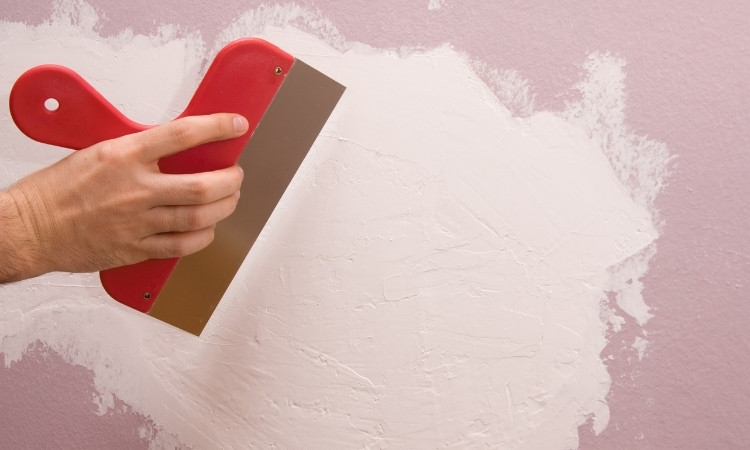
Dust and stains can stop paint from sticking. Use a damp cloth to wipe down the walls. If you see black spots, that’s mold. Clean it with diluted bleach or a mold remover. Look for cracks or holes. Fill them with wall putty and let them dry. Then, sand the area flat. This step is very important if your walls are older or you’ve removed picture hooks and nails.
Step 2: Cover and Tape Everything
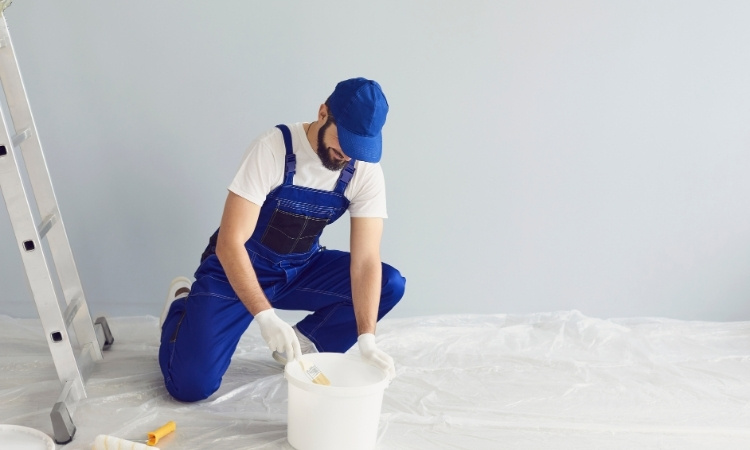
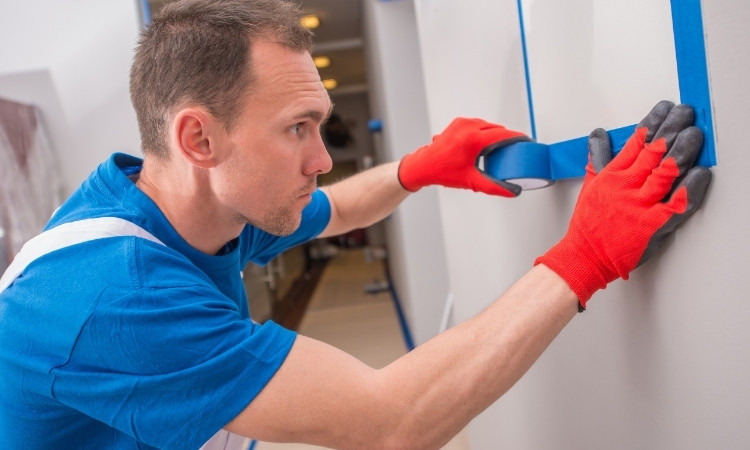
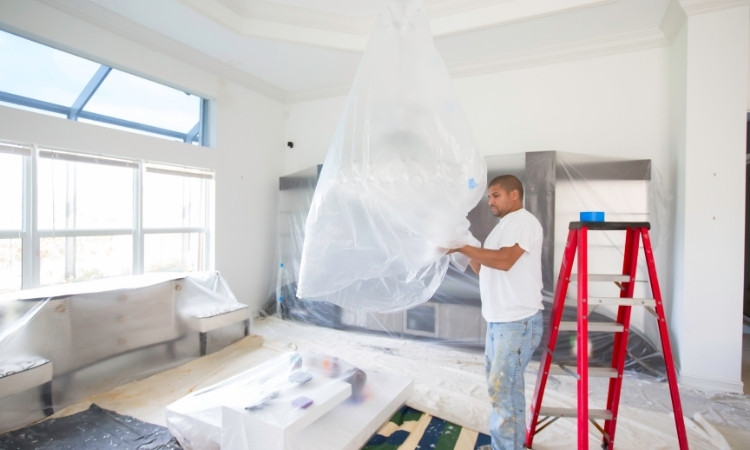
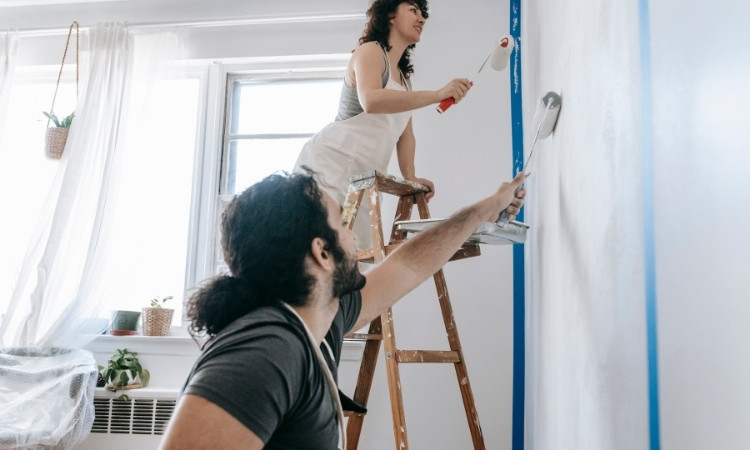
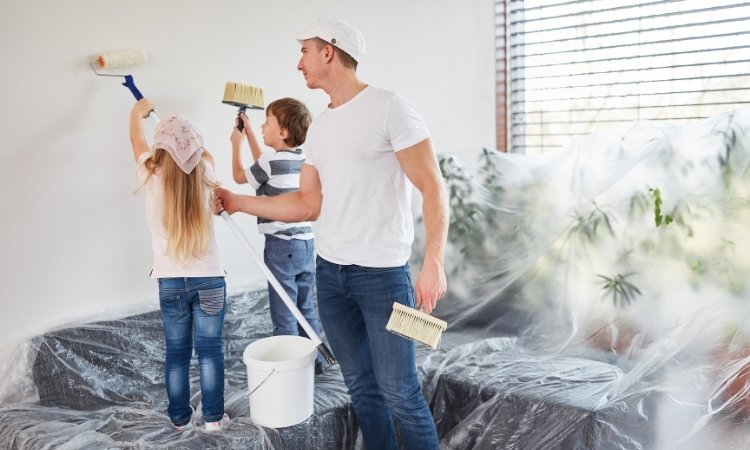
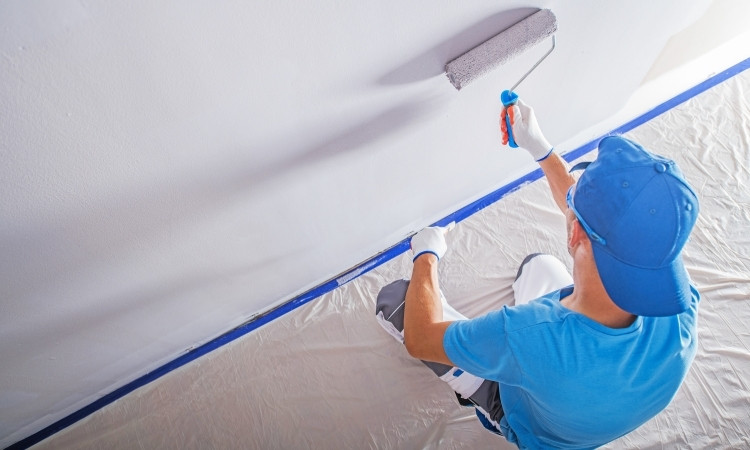
Put drop cloths over your floor and furniture. Tape around switches, skirting boards, aircon units, and ceiling edges. Take your time here. A clean tape job gives you neat, professional-looking lines later.
Step 3: Apply Primer
Primer helps the paint stick better and keeps the color even. This is a must if your wall is stained or you’re changing colors from dark to light, especially. Use a roller for large areas and a brush for corners. Let the primer dry fully. This usually takes around 4 hours in Singapore weather with fans on.
Step 4: Start Painting
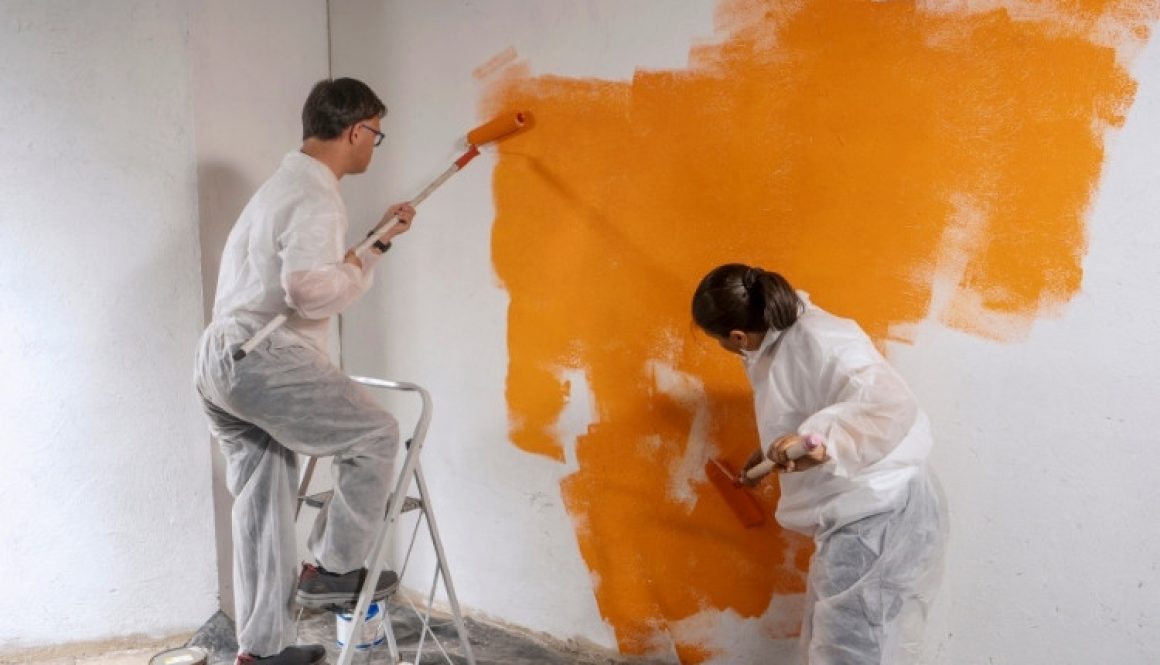
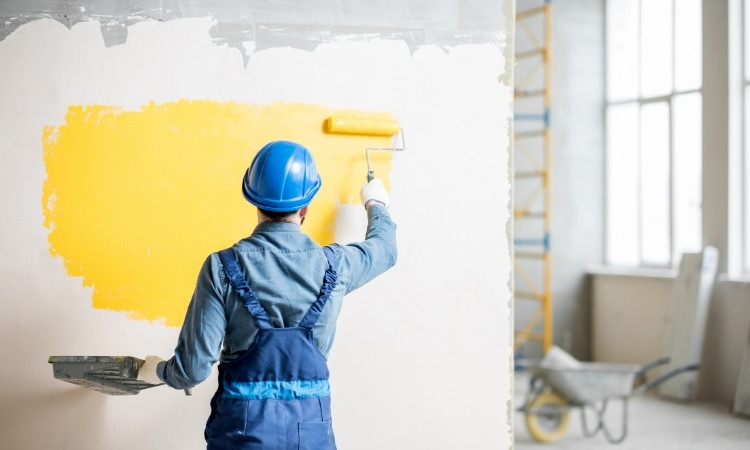
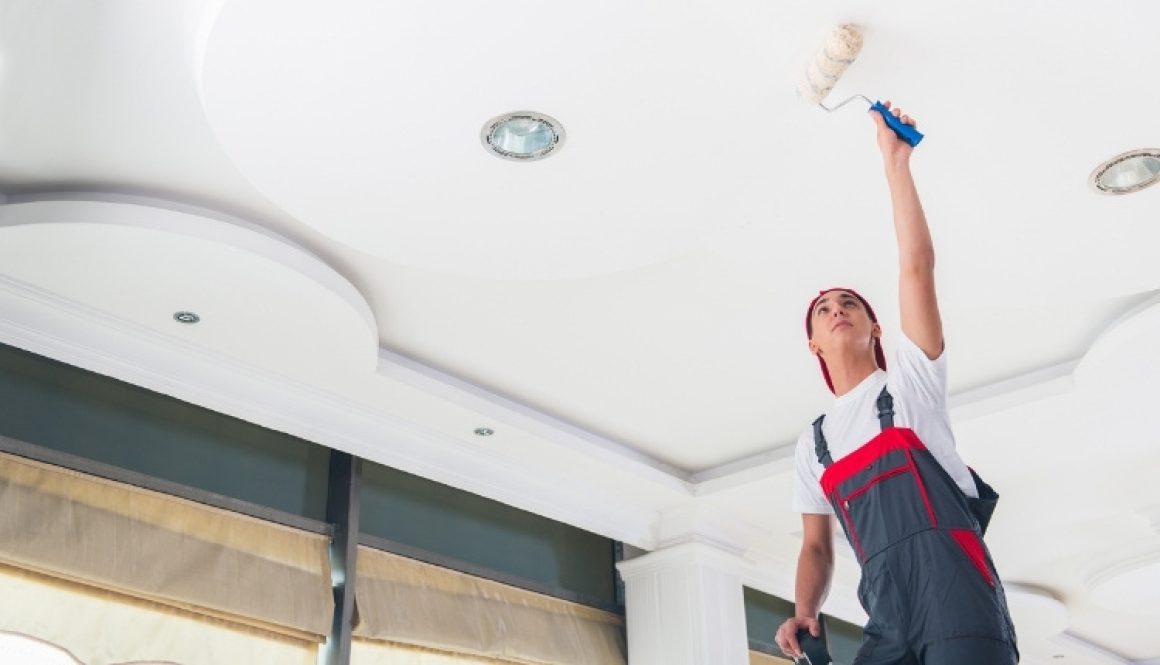
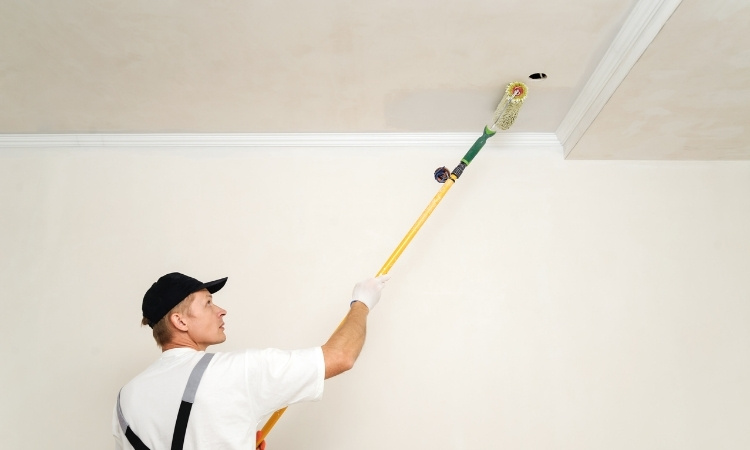
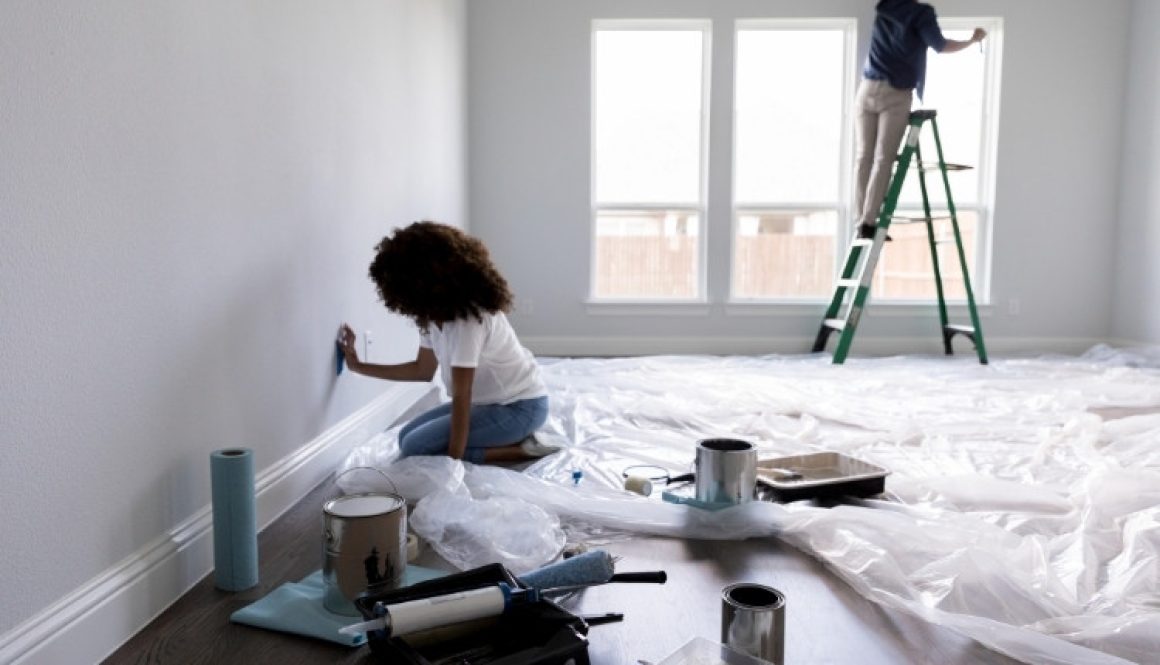
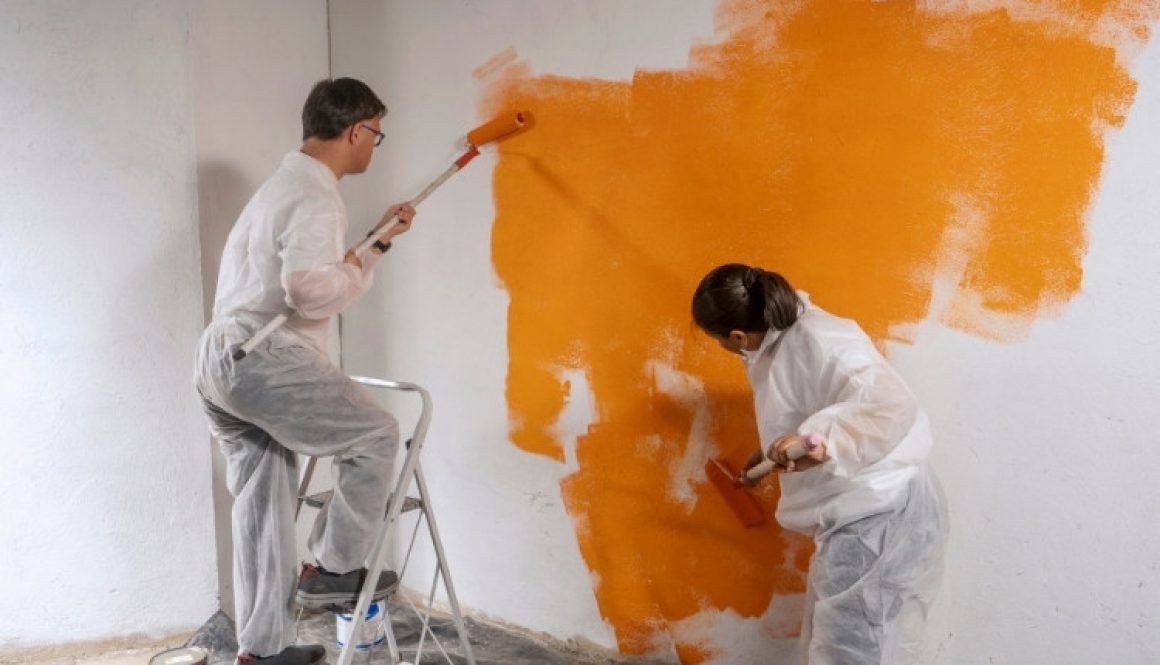
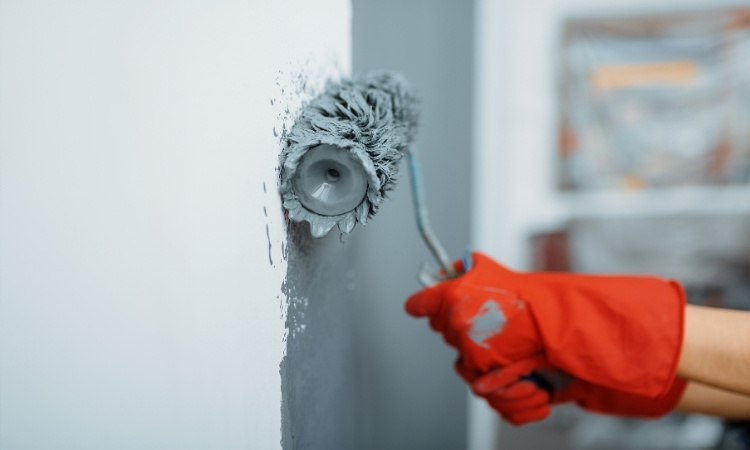
Now you can paint home interior walls. Thoroughly mix the paint and pour it out into the tray. Start with a brush and paint along the edges and corners first. Then, use a roller for the main areas. Don’t overload your roller. Use long, even strokes in an “M” or “W” pattern.
This provides better coverage. Once the first coat has dried, apply the second one. One or two coats are normally required to have a smooth and flawless finish. Give a period of 3-5 hrs between coats. It could take more time in case it is a rainy day or the room is not ventilated.
Step 5: Remove Tape and Clean Up
After the final coat is done, carefully remove the tape when the paint is still a little soft. If the paint is fully dry, you may need to use a cutter blade to avoid peeling the paint with the tape. Clean your tools with water (for water-based paint), and dispose of any plastic or paper you used to cover your floor.
Common Mistakes I’ve Seen in Singapore Homes
- Skipping primer on stained or old walls.
- Using cheap paint that peels after a few months.
- Painting without fixing water damage.
- Not allowing enough drying time between coats.
- Painting at night with poor lighting (missed spots are common).
Take your time and do it right. You’ll save yourself the trouble later.
A Fresh Start, One Wall at a Time
The best part about learning how to paint home interior walls is that it gives you control over your space. Whether it’s your baby’s room in Yishun or your kitchen in Jurong, you can shape the feeling of your home with just paint and patience. The humid climate of Singapore may complicate things a tad, but the results are well worth it.
To paint home interior walls well, all you need is the right tools, the right steps, and a little bit of heart. So roll up your sleeves, open the windows, and give your walls the fresh coat they deserve.