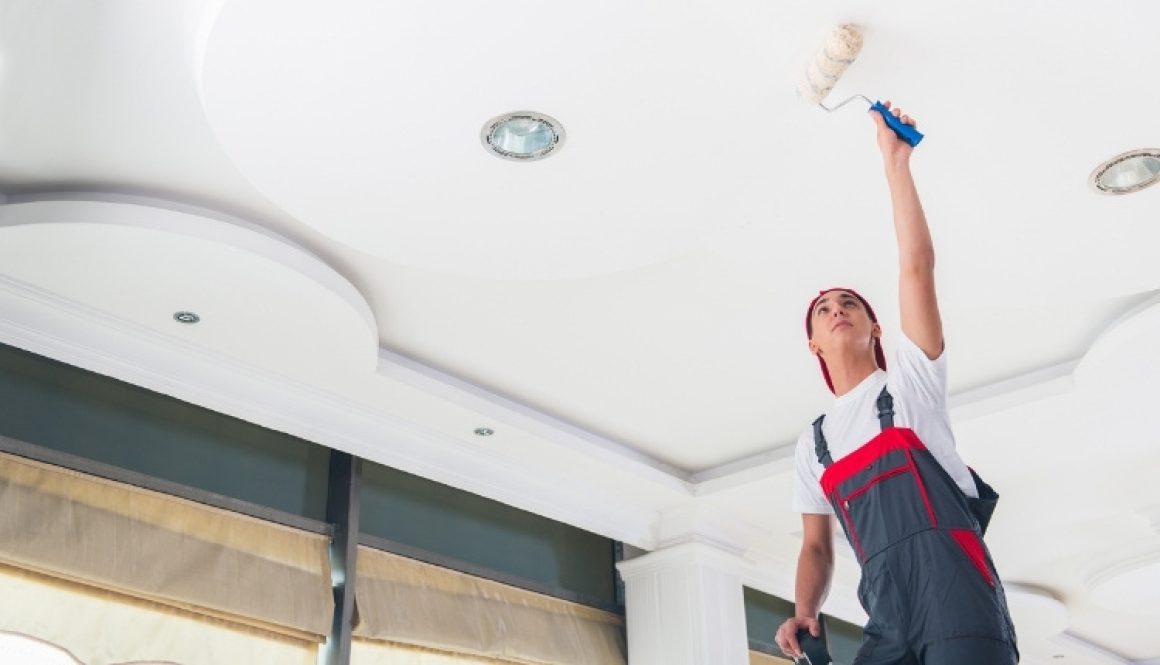
How to Paint a Ceiling with a Roller in Singapore
Want to freshen up your space without a major renovation? One of the simplest ways is to paint a ceiling. Whether you’re dealing with unsightly stains and dullness from humidity or you just want a cleaner, brighter room, learning how to paint a ceiling with a roller in Singapore can save you time, money, and effort.
Many homeowners think painting ceilings is complicated. But with the right tools, good roller techniques, and a bit of planning, it’s a very doable DIY project, even in Singapore’s humid weather. In this guide, we’ll walk you through everything: choosing the right roller, painting tips for large surfaces, and how to get a clean, professional-looking finish. Also, LS Painter Singapore offers the best residential painting, house painting, and commercial painting services in Singapore.
Why Paint a Ceiling in Singapore?
In Singapore, ceilings often suffer from moisture damage, mold, and water stains, especially in HDB flats, bathrooms, and kitchens. Over time, even good-quality paint can turn yellow or peel due to our tropical climate.
When I first painted my bedroom ceiling in Yishun after a leak near the aircon vent, I wasn’t sure I could manage it on my own. But by using the right roller and taking it step by step, the results turned out far better than expected, and the room instantly looked brighter and newer.
If you’re planning to paint a ceiling with a roller, you don’t need to be a professional. You just need the right prep, tools, and technique.
What Kind of Roller Should You Use?
Choosing the right roller is the first step toward getting a smooth, even finish. Here are the main types of rollers commonly used for painting a ceiling with a roller :
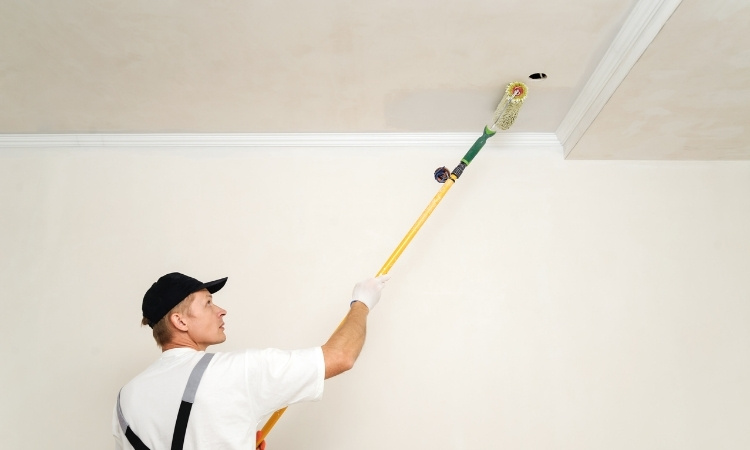
1. High-Density Foam Rollers
These are ideal for smooth surfaces. They leave a very fine finish and work well with gloss or semi-gloss paints. If your ceiling is in good shape, this roller will give you crisp, clean coverage.
2. Microfiber Rollers
Perfect for most Singaporean ceilings, especially in homes with slight texture or old paint. These rollers hold more paint, splatter less, and offer even coverage.
3. Synthetic Blend Rollers
These are versatile and work with both water-based and oil-based paints. They’re good for textured ceilings and won’t shed fibers while you roll.
4. Woven Rollers
Designed for rougher or semi-textured ceilings. They hold more paint and are ideal if you’re painting over older or uneven surfaces. They’re also shed-resistant, which helps you avoid lint on freshly painted ceilings.
How to Paint a Ceiling with a Roller – Step-by-Step
Step 1: Prepare the Room
Move as much furniture as you can out of the room. Cover floors and remaining furniture with plastic sheets or old newspapers. Use painter’s tape around light fixtures, along walls, and on trims to protect areas you don’t want to be painted.
Step 2: Clean the Ceiling
Ceilings in Singapore can collect dust, grease, and even mildew due to high humidity. Use a damp cloth to wipe down the ceiling. For water stains, treat the area with an anti-mold solution. Let it dry completely before painting. If there are water stains, use a stain-blocking primer first.
Step 3: Cut In the Edges
Paint the edges of the ceiling and the wall with a small brush. This technique is called cutting in. It gives you a clean line and allows you to roll paint without worrying about tight corners.
Roller Techniques for Ceilings and Large Surfaces
Once the edges are done, it’s time to use your roller. Here’s how to paint a ceiling with a roller in Singapore the right way:
Rolling in Sections
Divide the ceiling into small areas, about 3×3 feet. This helps you stay in control and keeps a “wet edge” for blending. Dip your roller into the tray, roll off excess paint, and apply in a “W” or “M” shape. This spreads the paint evenly and reduces roller marks.
Feathering Edges
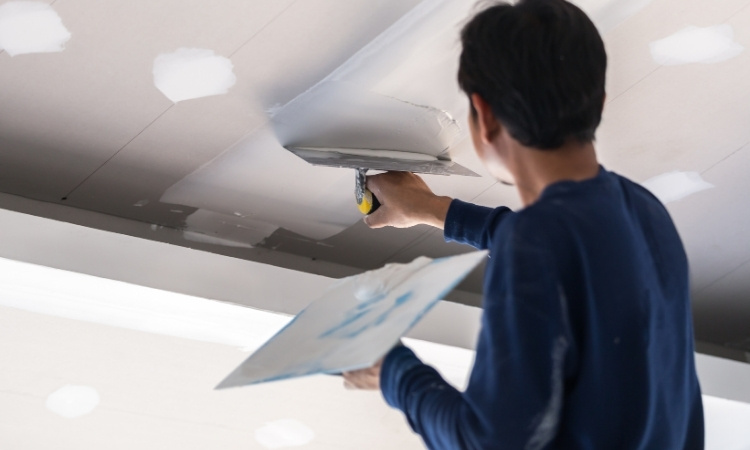
Once you have painted part of the wall, then roll over that part a second time without reloading the roller. This is known as feathering, and it softens the edges and prevents a visible line where different sections meet.
Overlapping Strokes
Lay-on one stroke with approximately 50% overlap to achieve consistent coverage. This will help you avoid streaks or patches and achieve a smooth appearance.
Don’t Rush
Be sure that the first coat is thoroughly dry before applying the second one. With Singapore’s humidity, using fans and keeping windows open will help the paint dry faster.
Conclusion
Knowing how to paint a ceiling can make a world of difference in the look of your house. With the right roller and good technique, you can transform a room in just a day. Whether it is a stained ceiling at your HDB apartment or the ceiling of your kitchen in your condo, the ability to know how to paint a ceiling with a roller is a useful DIY skill.
And if you’re unsure or don’t have the time, many painting services in Singapore offer affordable rates and professional-grade results. But for the hands-on homeowner, painting a ceiling with rollers can be a fun, satisfying weekend project that brings instant results.